
If looking at your financial statements makes your eyes glaze over, you’re not alone.
Running a franchise is a full-time job. Actually, it’s more than full-time. Between managing your team, keeping customers happy, hitting your franchisor’s benchmarks, and everything in between, sitting down to review financial reports often feels like the last thing you have time for.
In fact, 40% of small business owners say they’re financially illiterate, and over 60% feel unsure about the state of their business finances.
Your Profit & Loss (P&L) and your Balance Sheet are two of the most powerful tools you have as a business owner.
Once you understand what they’re actually telling you, reviewing them each month becomes less of a chore and more of a competitive advantage.
Let’s break both down, plain English, no accounting degree required.
What Is a Profit & Loss Statement (P&L)?
Think of your P&L, also called an Income Statement, as a report card for your business over a specific period of time. Usually monthly, quarterly, or annually.
It answers one fundamental question: Are you making money, or losing money?
Here’s what’s on it:
Revenue: Everything your business brought in from sales or services during the period. This is your top line.
Cost of Goods Sold (COGS): What it directly cost you to deliver your product or service. For a food franchise, this is food costs. For a service franchise, it might be labor directly tied to delivering the service.
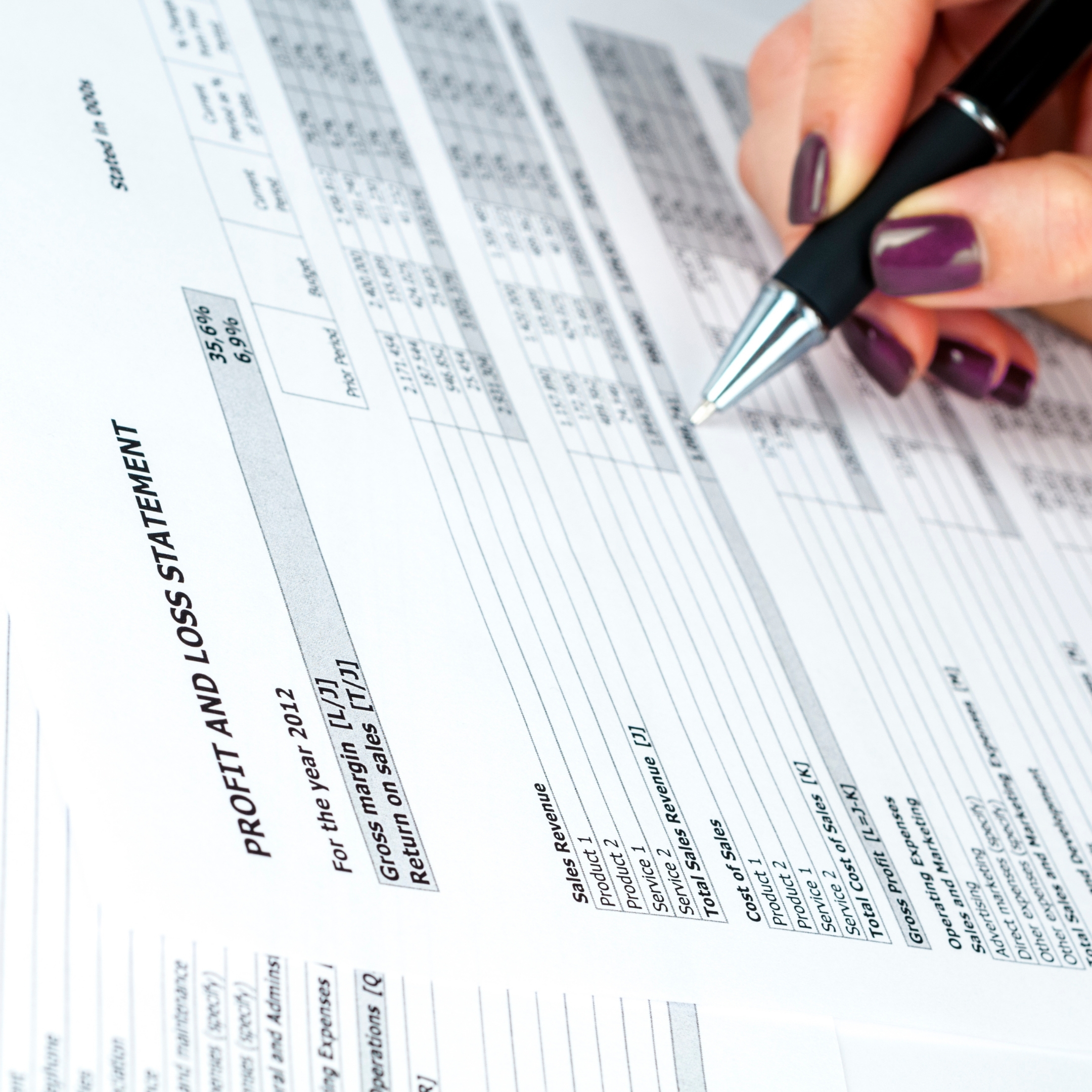
Gross Profit: Revenue minus COGS. This tells you how efficiently you’re running your core business before overhead kicks in.
Operating Expenses: Everything else it costs to run your business: rent, payroll, marketing, royalty fees, tech subscriptions, utilities. These are your day-to-day overhead costs.
Net Profit (or Net Loss): The bottom line. Revenue minus all expenses. This is what you actually kept or lost during the period.
Why it matters for franchise owners: Your P&L helps you spot trends before they become problems.
- Are your labor costs creeping up?
- Is your gross profit margin shrinking?
- Are royalty fees eating more of your revenue than expected?
Your P&L tells you if you’re reviewing it regularly.
What Is a Balance Sheet?
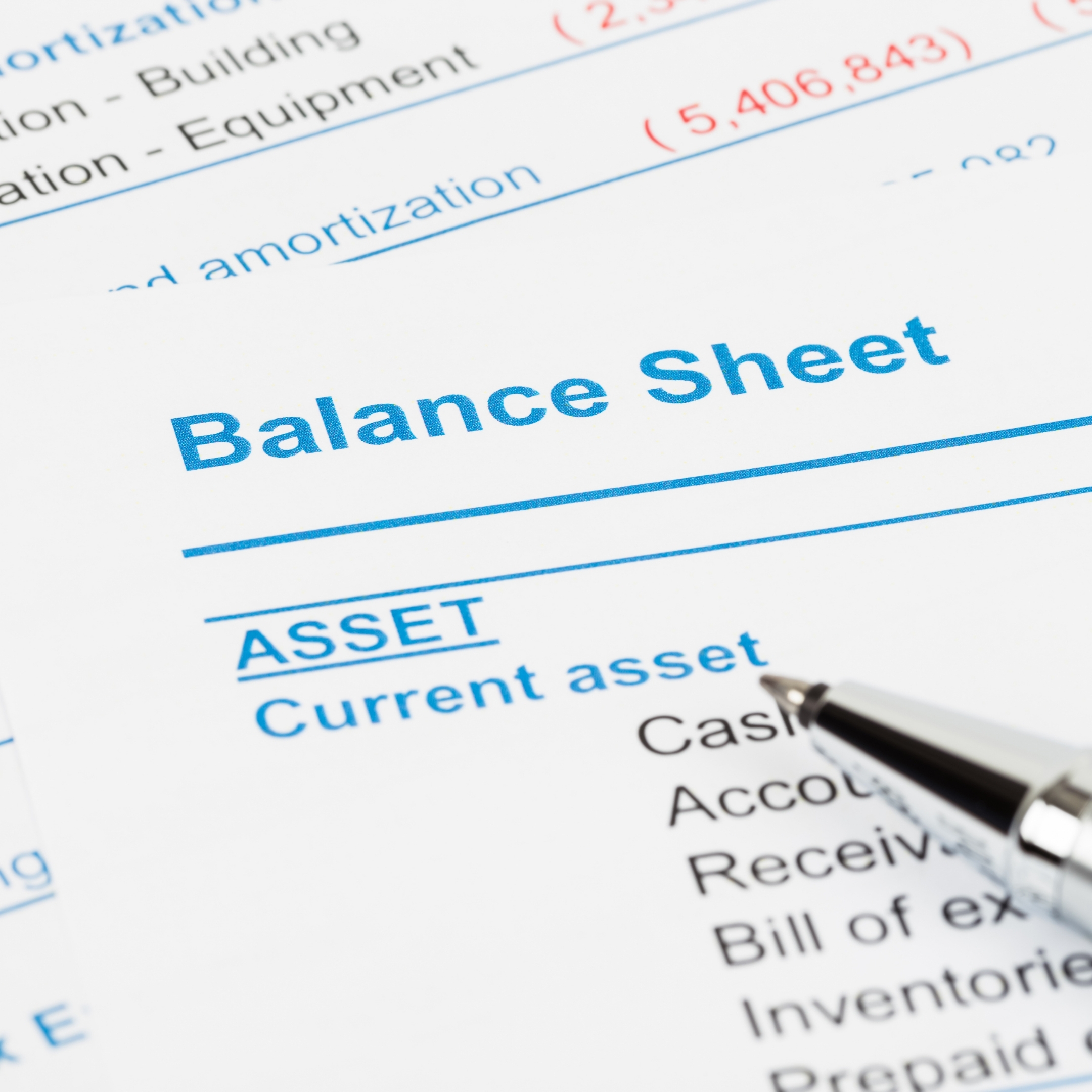
Your Balance Sheet is a snapshot of your business’s financial health at a single point in time.
While your P&L covers a period of time, your Balance Sheet is a snapshot of a single moment, usually the last day of the month or quarter.
It answers a different question: How financially stable is my business right now?
Your Balance Sheet is a snapshot of your business’s financial health at a single point in time.
While your P&L covers a period of time, your Balance Sheet is a snapshot of a single moment, usually the last day of the month or quarter.
It has three parts:
Assets: Everything your business owns that has value. Cash, accounts receivable, equipment, inventory, prepaid expenses.
Liabilities: Everything your business owes. Loans, credit card balances, unpaid bills, payroll liabilities.
Owner’s Equity: What’s left over when you subtract liabilities from assets. This is your actual stake in the business.
The foundational formula: Assets = Liabilities + Equity
Why it matters for franchise owners: Your Balance Sheet tells you whether your business can handle a slow month, whether you have the cushion to make a big investment, and whether your overall financial position is getting stronger or weaker over time. It’s also what lenders and investors look at when evaluating your business.
Why These Two Reports Matter Together
Here’s where it gets really useful.
Your P&L shows you performance. Your Balance Sheet shows you stability. Neither one tells the full story on its own.
A business can look profitable on the P&L but be in a precarious cash position on the Balance Sheet. A business with strong equity on the Balance Sheet can still be bleeding money month over month on the P&L.
When you review both together, ideally with your bookkeeper or accountant, you get a complete picture of your business’s financial health.
Common Mistakes Business Owners Make:
-
❌ Not reviewing reports monthly
-
❌ Looking only at bank balance instead of actual profit
-
❌ Confusing cash flow with net income
-
❌ Forgetting to track owner draws or credit card balances
Ready to Take Control?
You don’t need to be an accountant, but you do need to understand your numbers. Watching a 20-minute video like this one could be the best investment you make this month.
Watch Kelli’s webinar to feel more confident and empowered about your business finances.
Whether you’re just starting out or five years in, it’s never too late to build your financial literacy!
If you’re already a client of Franchise Resource email your dedicated CSA with any questions or email us at info@FranchiseResourceLLC.com



0 Comments